


Watch any winning team long enough and you notice something that gets lost in the day-to-day of running your team: the best squads aren't always the ones with the most individual talent. They're the ones where every player knows their role, feels backed by the people around them, and shows up fully because the environment makes it worth showing up for.
That's not just a sports observation. That's a leadership one.
If you're leading a team of designers, developers, or motion graphics artists, there's an anxiety that comes with the role: what if I don't understand what they do well enough to lead them?
Here's the thing: that's not actually your job. What your team needs from you has very little to do with mastering every craft and everything to do with how you show up for the people doing the work.
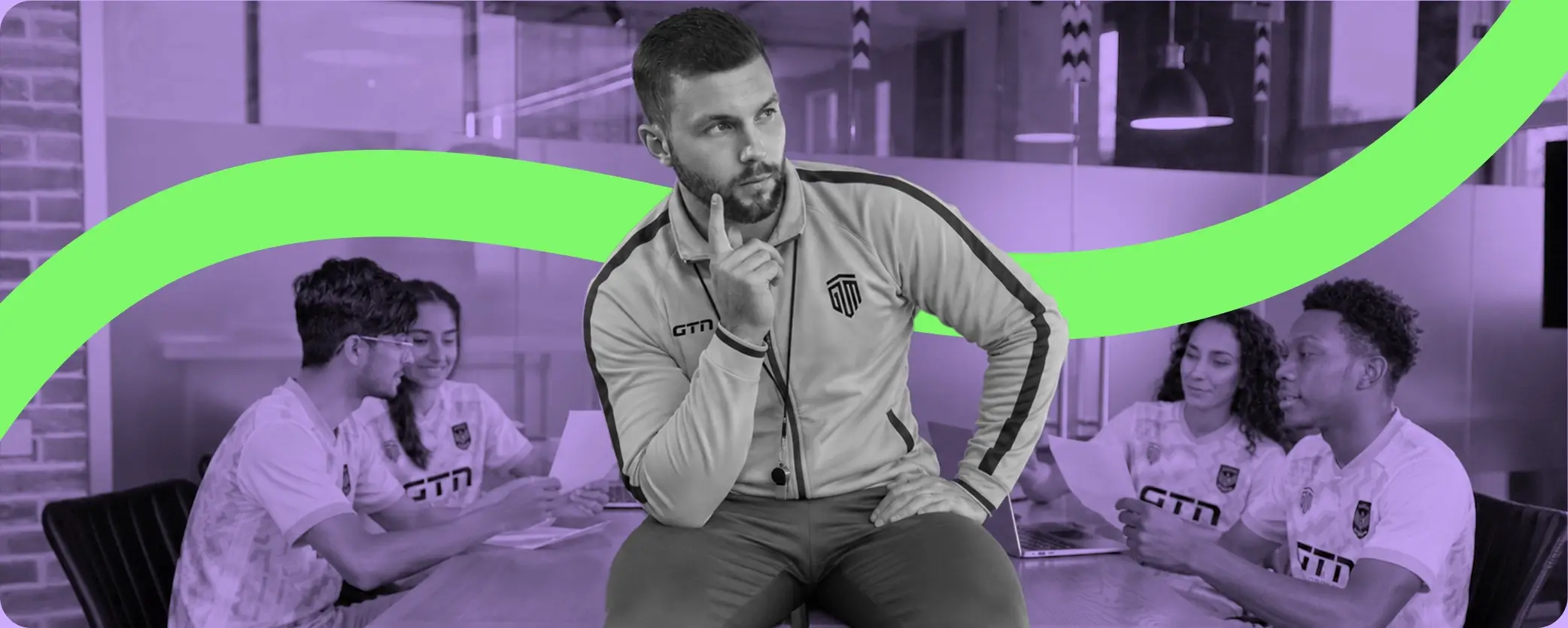
No team wins a title because of one exceptional player. They win because every position is performing, and every player trusts the person next to them.
The same is true in creative production. The designer depends on the developer. The motion artist depends on a clear brief. The strategist depends on the creative team understanding the goal. Pull one thread and the whole thing loses tension.
Your job as a leader isn't to rank contributions. It's to make sure every person feels like their piece of the work genuinely matters, because it does. When someone feels like just a cog, they produce cog-level work. When they feel like a crucial part of something worth building, the work reflects that.
Empathy in leadership isn't about being soft. It's about being accurate.
It means understanding that the developer pushing back on a timeline is protecting quality, not being difficult. It means recognizing that a designer asking for more context is trying to do the job properly, not stalling.
When you lead with empathy, you stop reacting to behavior and start understanding what's behind it. And when people feel genuinely supported, something practical happens: they communicate more clearly, fewer things get lost, fewer revisions happen, and fewer deadlines slip.
The environment a leader builds shows up directly in the work that comes out of it. A team that feels backed and encouraged to be excellent produces work with something extra in it. A sense of ownership. A bit of pride. At NLC, this is something we see consistently: when every person knows their role matters and has the support to do it well, the output speaks for itself.
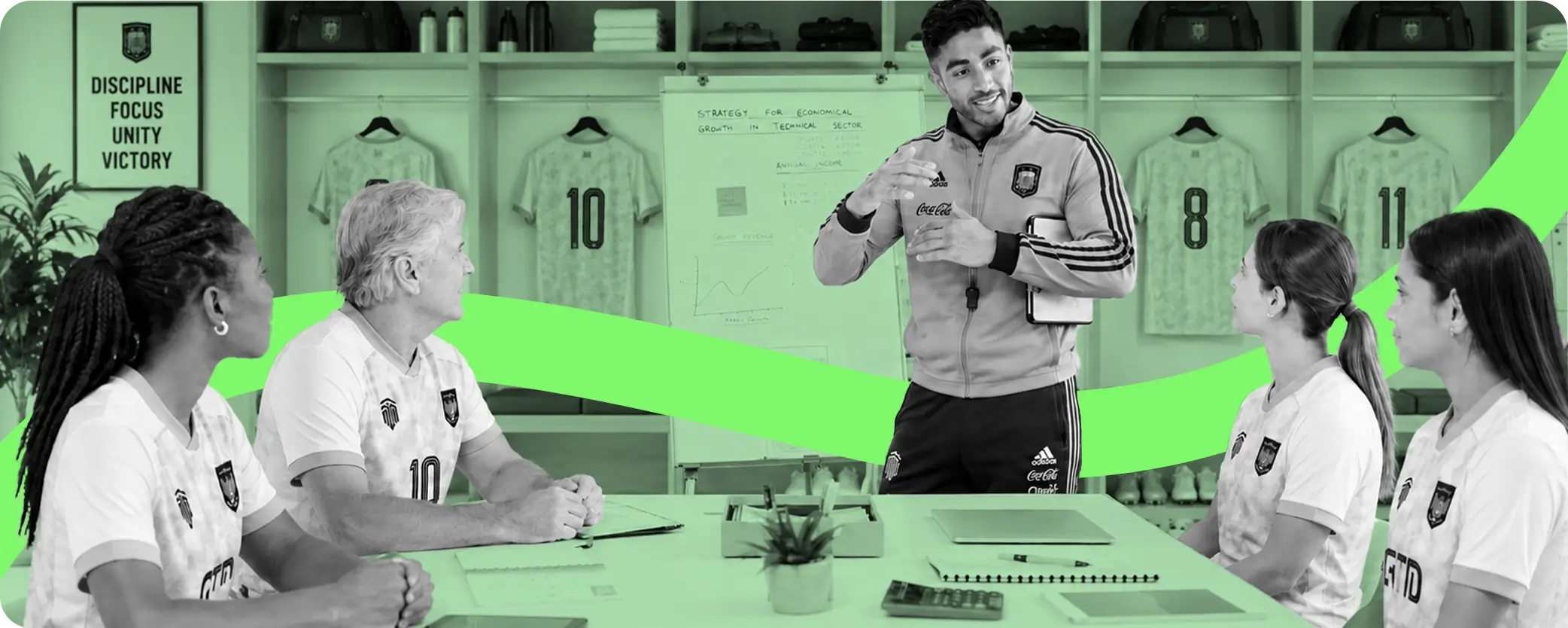
The teams that produce the best work aren't always the most technically skilled. They're the ones where every person is proud of what they do, proud of the team behind them, and doing the work for something beyond a job title.
That's the environment a great leader builds. Not by knowing everything, but by making sure everyone feels like they belong, like their craft matters, and like the team has their back. When you get that right, the quality takes care of itself.

You don't need to master every craft on your team. What good leadership actually takes is something else entirely: empathy, clarity, and genuine care for the people doing the work.
Build the kind of team where everyone wants to show up and do their best. Then get out of the way and let them.
The final whistle blows. The lessons from the best squads on that pitch last a lot longer.

No recruiting, no onboarding, no overhead. Just on-demand creative capacity that grows with your business and adapts to your needs.




.svg)