


July has a way of arriving before you're ready for it. Six months of briefs, revisions, feedback, and campaign cycles have a way of quietly draining the creative energy out of even the best teams. Not dramatically. Just gradually, until the work starts feeling like it's running on fumes instead of inspiration.
This is the halftime moment. And like any good halftime, it's not about stopping. It's about coming back out sharper than you went in.
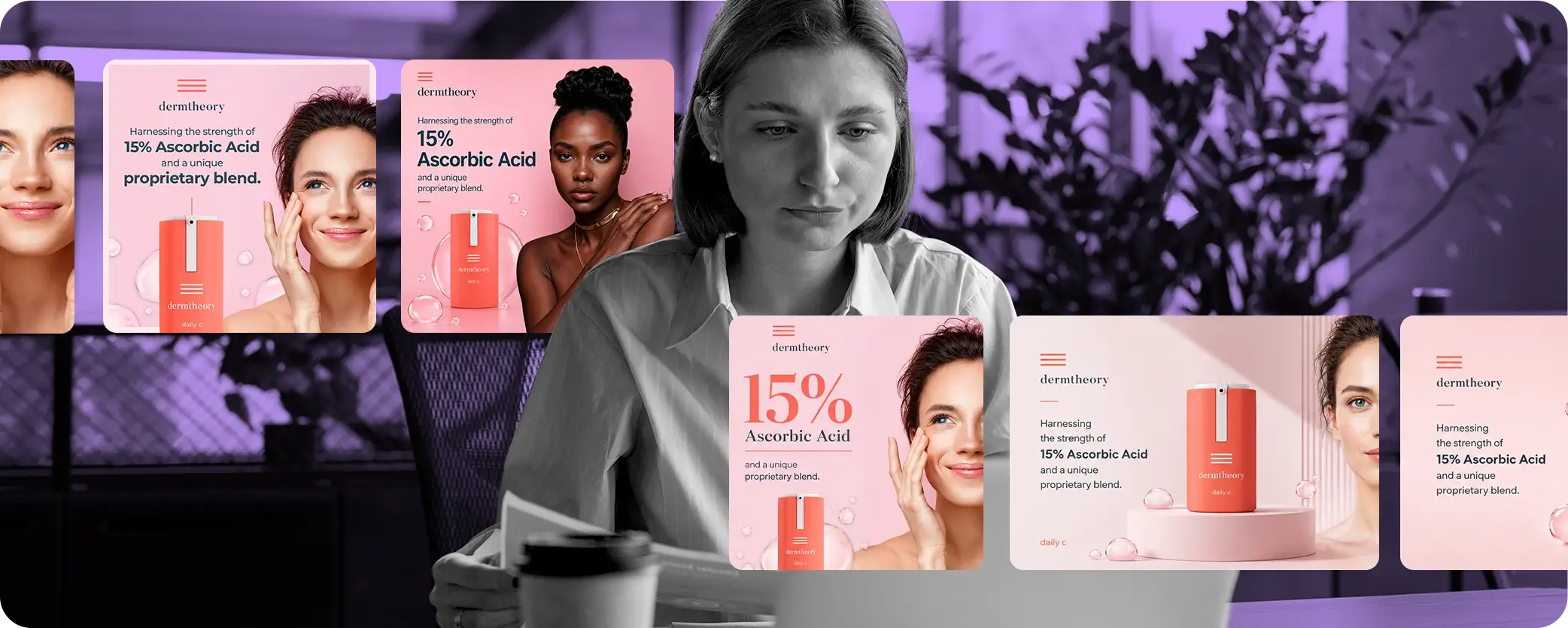
Creative fatigue rarely announces itself. It shows up in subtler ways: briefs that take longer to get excited about, concepts that feel like they've been done before, feedback rounds that drag because nobody is sure what "better" looks like anymore.
For teams specifically, the risk is compounded. You're not just managing your own creative energy. You're managing it across multiple clients, multiple campaigns, and multiple deadlines running in parallel. The pace doesn't leave much room for the kind of thinking that produces genuinely fresh work.
By July, most teams aren't burned out in the clinical sense. They're just running a little flat. And flat is enough to affect the quality of what goes out the door.
Here's the mistake most teams make at halftime: they treat a reset like a pause. Take a breath, clear the backlog, then get back to doing exactly what they were doing before.
That's not a reset. That's a break. And breaks don't fix the underlying friction.
A real creative reset is about looking honestly at how your team is working, not just how hard they're working. It means asking:
The goal isn't to do less. It's to free up the mental and creative bandwidth that's currently being consumed by operational noise.

Inspiration doesn't come from waiting for it. It comes from changing the inputs.
A few directions that work well for teams specifically:
Change the brief format. If every brief looks the same, every response will too. Try briefing with a reference outside your category, a film, a piece of architecture, or a product from a completely different industry. Give the team something unexpected to react to.
Protect thinking time. Creative professionals need uninterrupted space to actually think. If every hour is allocated to production or calls, there's no room for the kind of lateral thinking that produces ideas worth pursuing. Even a few protected hours a week change what the team can bring to a brief.
Celebrate what worked in the first half. Before looking ahead, look back with intention. What landed? What surprised you? What are you genuinely proud of? Teams that acknowledge their wins carry more energy into the next chapter than teams that just move on to the next thing.
Reset the creative conversation. Bring the team together not to review performance, but to talk about what excites them creatively right now. What are they noticing? What do they want to make? That conversation alone often unlocks more momentum than any strategy session.

Your team's creative energy is directly connected to how supported they feel going into the second half. If the environment is running on pressure and tight turnarounds with no room to breathe, the work reflects that.
The most valuable thing a leader can do at halftime isn't set bigger goals. It removes the friction that's been building up since January. Streamline the feedback process. Clarify what the priorities actually are. Make sure every person on the team knows what they're building toward and why it matters.
And if part of the operational weight your team is carrying, the briefing, the project management, the coordination, could be handled by a dedicated support structure rather than the creatives themselves, the second half looks very different. That's exactly what a fully managed creative partnership is designed to do: free your team up to do the work they're actually there to do, at the level they're actually capable of.
The teams that finish the year strongest aren't always the ones that started it with the most momentum. They're the ones who used halftime well.
A genuine reset, one that looks honestly at how the team is working, protects the creative energy that's left, and removes the friction that's been quietly slowing things down, is what separates a strong second half from a tired one.
July is the moment. The second half is yours to shape.

Creative fatigue is normal. Staying flat because of it isn't inevitable.
The best teams come back from halftime with a clearer sense of what matters, a lighter operational load, and a creative environment that actually gives people room to do their best work.
That's not luck. That's what a good reset looks like.
No recruiting, no onboarding, no overhead. Just on-demand creative capacity that grows with your business and adapts to your needs.



.svg)