

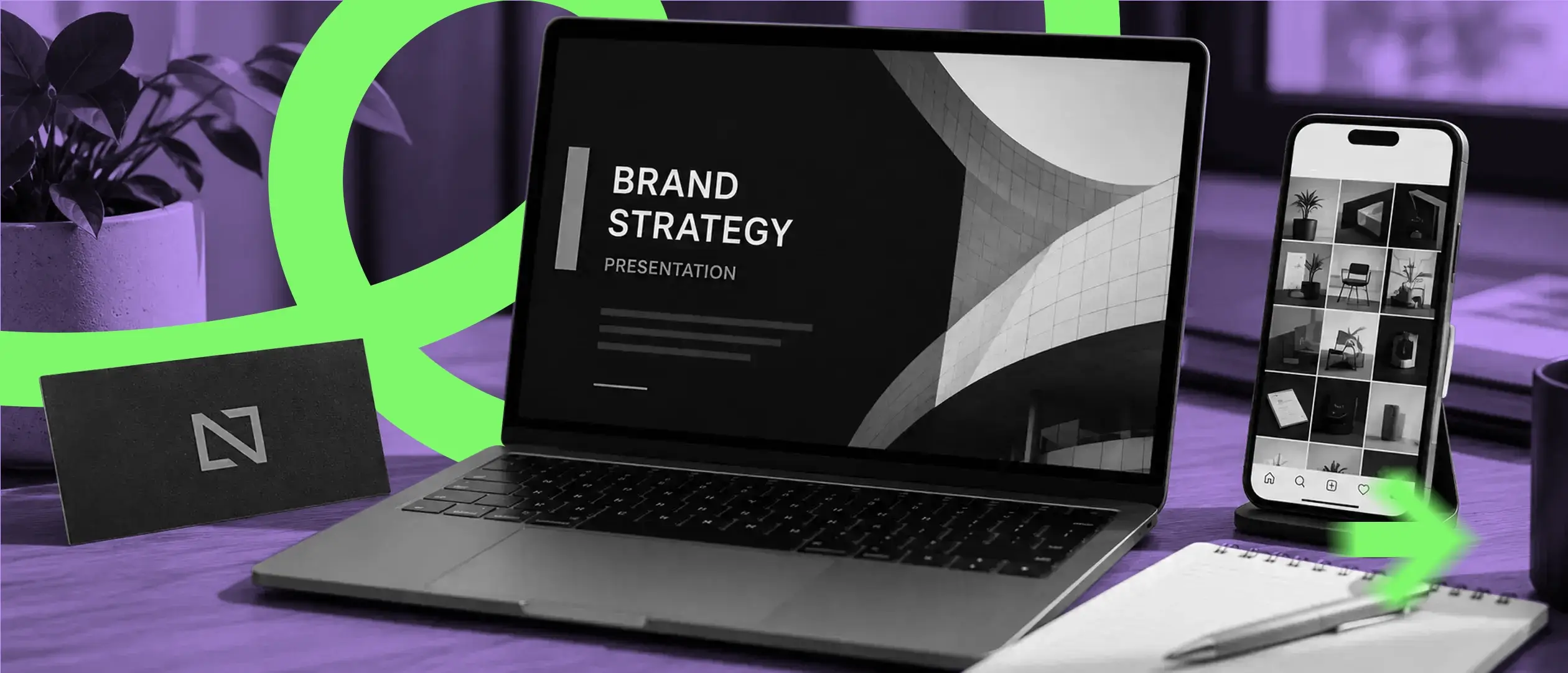
If you're a coach or consultant, your product is you. That makes design a strange thing to think about, because it's not packaging a physical product, it's packaging your credibility. The businesses in this space that convert well almost always have one thing in common: their materials look like they belong to someone worth paying for.
Here's what that actually looks like in practice.
A real brand identity, not just a logo. This means a consistent color palette, a font pairing, and a visual style guide that shows up the same way whether someone sees your Instagram post, your website, or your invoice. Inconsistency here is one of the fastest ways to look like a hobbyist instead of a professional.
A lead magnet that doesn't look like a Word document. Whether it's a PDF guide, a checklist, or a mini-course workbook, the design quality of your free resource is often a prospect's first real impression of what working with you might feel like. A poorly designed lead magnet undercuts your credibility before the sales conversation even starts.
A sales deck built to actually close. Most coaches and consultants are selling in one-to-one or small group calls, which means the deck needs to do real persuasive work, not just display bullet points. Clear visual hierarchy, a strong narrative arc, and professional data visualization (if you're showing case study results) matter enormously here.
Social content templates. If you're posting regularly (and you should be), having a consistent set of templates for quote graphics, carousel posts, and testimonial highlights saves enormous time and keeps your feed looking cohesive instead of like a grab bag of random Canva templates.
A website that matches the rest of it. A polished Instagram presence paired with an outdated, cluttered website is one of the most common credibility gaps in this industry. The two need to feel like the same business.
In most industries, design supports the product. For coaches and consultants, design is part of the product experience, because the entire sale is built on trust in your expertise. A prospect evaluating whether to spend real money on your program is reading every visual signal for evidence of whether you're legitimate. Sloppy, inconsistent, or amateur-looking materials create doubt exactly at the moment you need to be building confidence.
The most common mistake is treating design as a one-time task instead of an ongoing need. A founder gets a logo made once, builds a website once, and then spends the next two years creating everything else themselves in whatever free tool is fastest. The result is a brand that looked professional on day one and has been quietly eroding in consistency ever since.
The second most common mistake is over-investing in one asset (usually the logo) and under-investing in the assets that actually touch prospects daily, like social content and sales materials.
Rather than treating design as a series of one-off projects, the coaches and consultants who scale well tend to treat it as ongoing infrastructure, the same way they'd treat their CRM or their calendar booking tool. That's where a design subscription tends to fit naturally into this business model: consistent output across social content, sales decks, lead magnets, and brand assets, without having to hire a dedicated in-house designer for what's often a lean, solo or small-team operation.
This is exactly the range of work NoLimit Creatives' Marketing plan is built to cover for coaches and consultants: slide decks, lead magnets, social content templates, and brand style guides, all handled by one team instead of a patchwork of freelancers. For coaches who want the strategic side handled too, the NoLimit Concierge add-on brings a dedicated project manager into the mix for creative direction on top of execution.
What design assets should a new coach prioritize first?
A clean brand identity (colors, fonts, logo) and a well-designed lead magnet. Those two touch the most prospects early and set the tone for everything else.
Do I need a designer if I already use Canva?
Canva is fine for quick, low-stakes posts. For anything a prospect will judge you on directly (lead magnets, sales decks, your website), professional design work tends to convert noticeably better than templated DIY design.
How often should a coach or consultant update their brand materials?
At minimum, revisit your core visual identity and top-performing content templates once a year. If your offer or positioning shifts significantly, your materials should shift with it.
No recruiting, no onboarding, no overhead. Just on-demand creative capacity that grows with your business and adapts to your needs.



.svg)